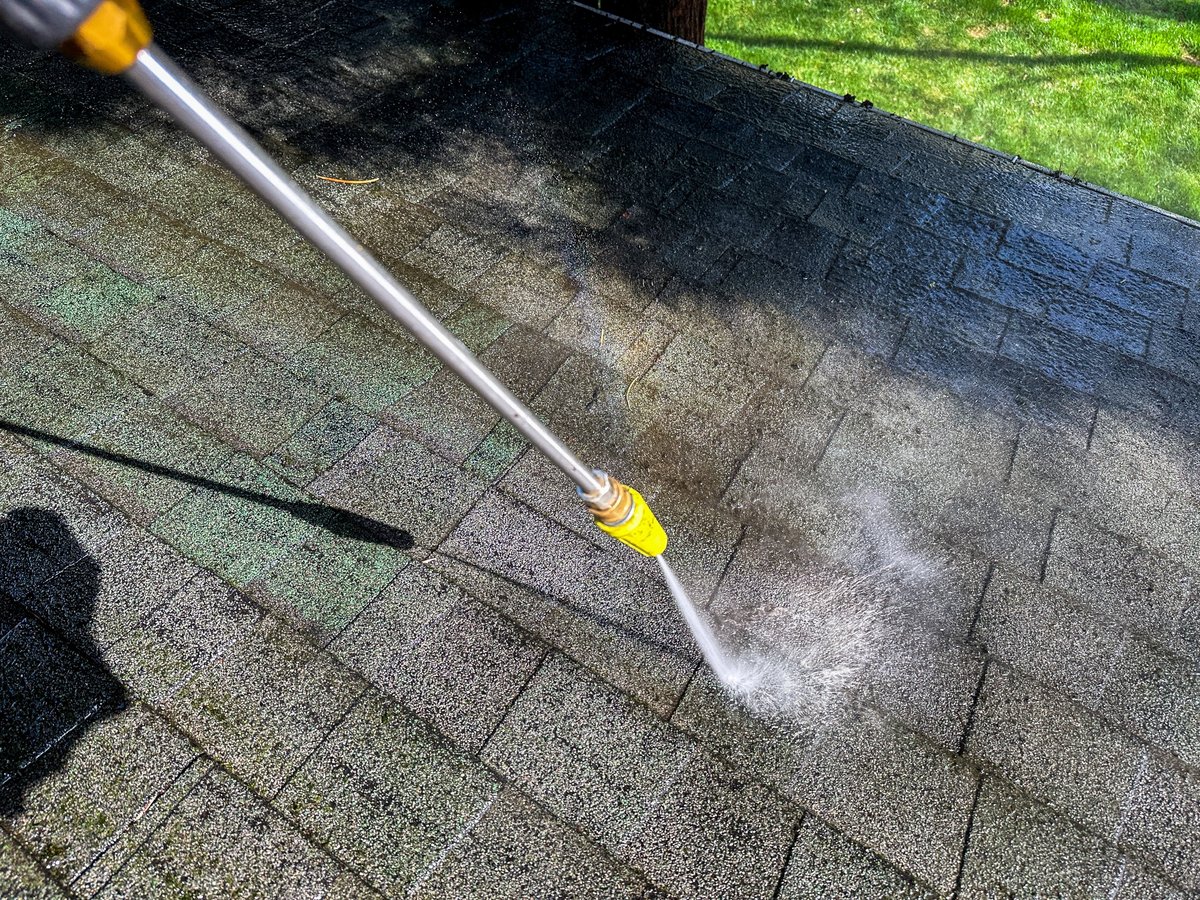
If you've noticed black streaks running down your roof, you're not alone. This common problem affects millions of homes across the Southeast, and it's not just an aesthetic issue. Those dark stains are actually living colonies of algae that are slowly degrading your roofing materials.
Gloeocapsa magma is a type of cyanobacteria, often called "roof algae," that thrives in warm, humid environments. Unlike dirt that sits on your roof's surface, Gloeocapsa magma actually colonizes and creates a protective biofilm that anchors it firmly to your shingles. This organism has evolved to survive extreme conditions, including the UV exposure and temperature fluctuations that would kill most other life forms.
The dark streaks you see are actually the algae's defense mechanism. The dark pigment helps protect the organism from UV radiation while also absorbing heat to create a slightly warmer microclimate for growth. It's a remarkably efficient survival strategy—and a headache for homeowners.
North Carolina's climate creates ideal conditions for roof algae growth. With average summer humidity levels above 70% and frequent afternoon thunderstorms, your roof rarely has a chance to fully dry out. Add to this the abundance of trees providing shade and organic food sources, and you have a perfect storm for algae colonization.
North-facing roof slopes are particularly susceptible because they receive less direct sunlight and stay damp longer. Similarly, roofs shaded by tall trees or adjacent buildings show accelerated algae growth compared to those in full sun.
Many homeowners dismiss roof algae as a cosmetic issue, but the reality is much more serious. The moisture retained by algae colonies creates an environment conducive to mold and mildew growth, which can eventually work its way into your attic and living spaces. More immediately, algae-covered shingles deteriorate faster than clean ones, potentially voiding warranties and reducing your roof's lifespan by several years.
Unlike pressure washing, which can damage shingles, professional soft washing uses low-pressure water combined with specialized cleaning solutions that kill algae at the root. This approach not only removes visible stains but also eliminates the biofilm, preventing rapid regrowth. The best roof cleaning companies also apply preventive treatments that inhibit algae growth for 1-2 years.
Don't wait until you're facing a full roof replacement. Schedule professional roof cleaning today and protect your home's first line of defense.
Contact Triangle Power Wash for professional roof cleaning using safe soft wash techniques.
Get Free Estimate(919) 737-8126